📌 Introduction
In the busy world of boba tea shops, water quality is often overlooked, but it is key to success. Over 90% of the core ingredients—tea, ice, and espresso—rely on water. From brewing tea to making ice, every process depends on the purity of your drinking water. Poor water quality can compromise tea flavors, cause equipment breakdowns, and increase operational costs. This article will guide you through key factors when choosing a water filtration system for your beverage shop. It will help ensure great taste, longer equipment life, and happy customers.
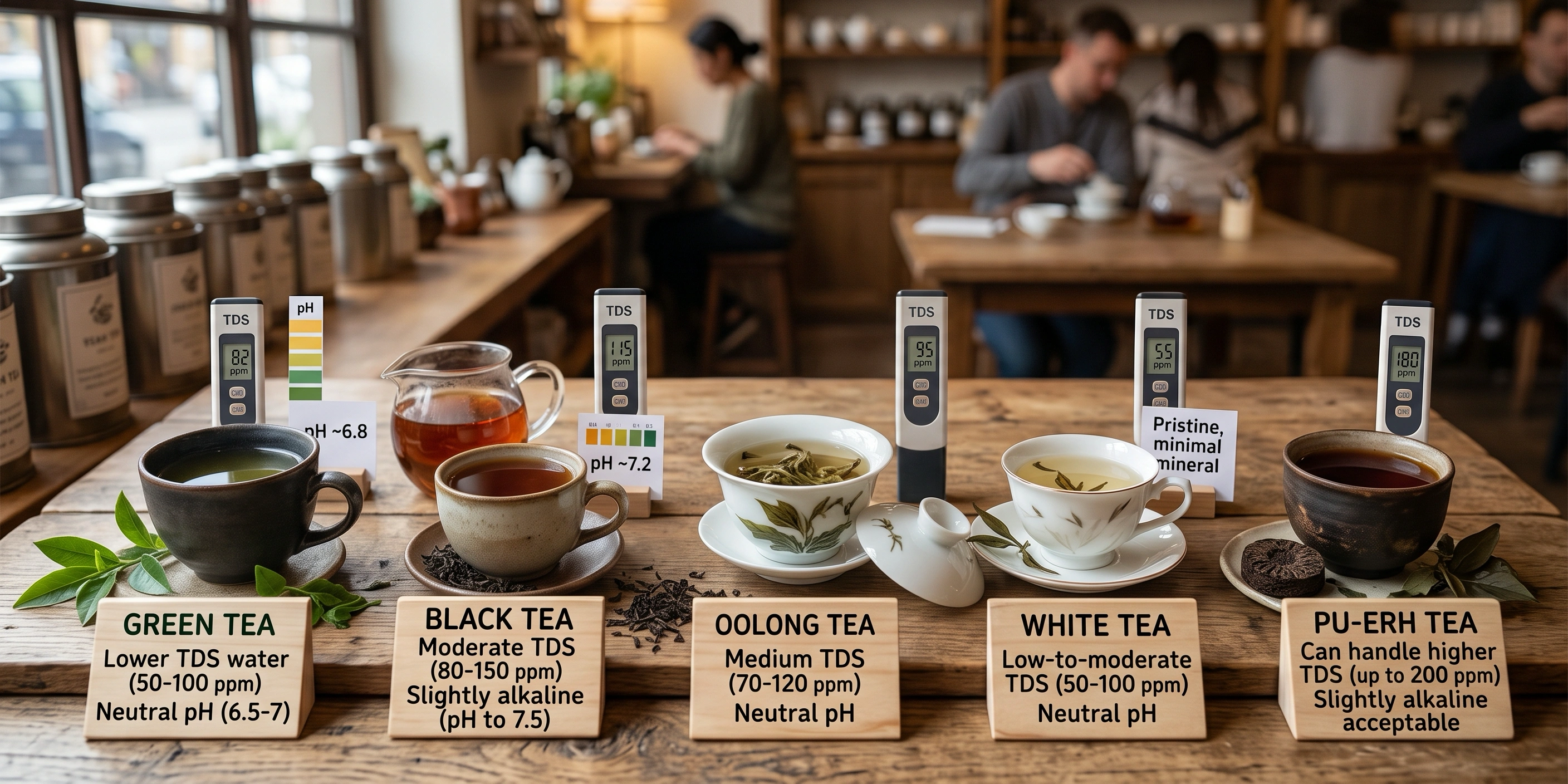
Why Water Quality Directly Impacts Boba Tea Quality & Business Profits
1. Unlocking True Tea Flavor (Tea Extraction)
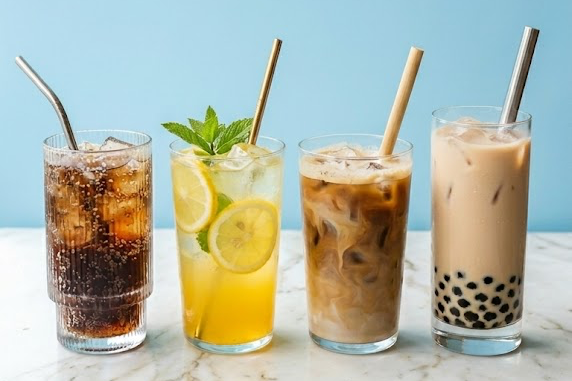
The essence of a great boba milk tea lies in its tea flavor. However, impurities in tap water can mask the delicate aroma of tea leaves. These impurities include chlorine and high mineral levels. This can affect black, green, and oolong teas. Chlorine reacts with tea polyphenols, creating off-flavors and dulling the brew. High levels of calcium and magnesium, called hardness, can make tea taste bitter or astringent. They may also discolor the brew. Using a high-quality water filter can remove these contaminants. Choose one with reverse osmosis (RO) for better results. This helps your tea show its natural flavors and aroma.Each brew becomes a delightful experience for your customers.
2. Ensuring Crystal-Clear, Odor-Free Ice Cubes
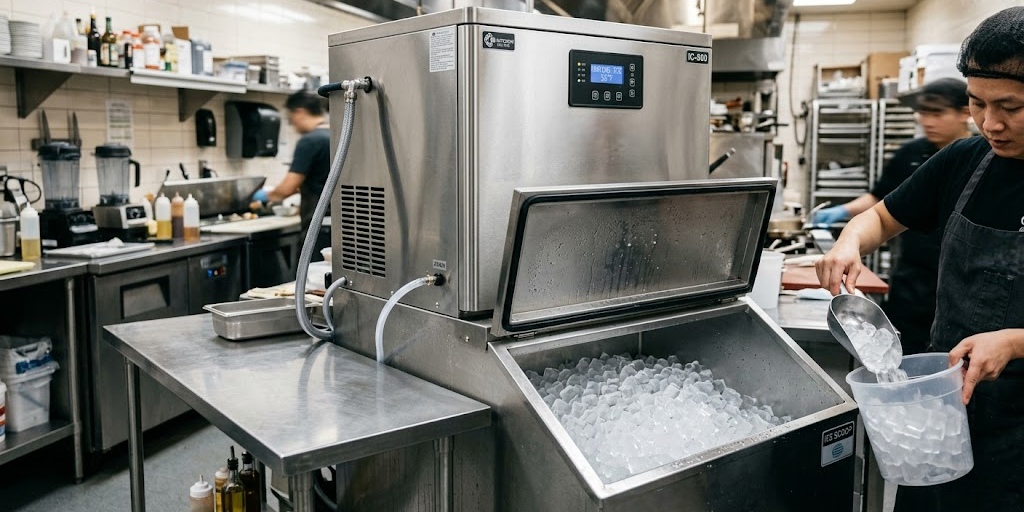
Ice plays a crucial role in bubble tea and fruit tea presentation. Customers expect transparent, hard, and odorless ice cubes. Water that hasn't been properly filtered often contains impurities that lead to cloudy, soft, or foul-smelling ice. These impurities can also accelerate melting, diluting your drinks and compromising flavor consistency. Implementing advanced filtration systems helps produce high-quality ice cubes that are clear, dense, and odor-free. It improves the look and taste of your beverages.
3. Preventing Scale Buildup in High-Demand Equipment
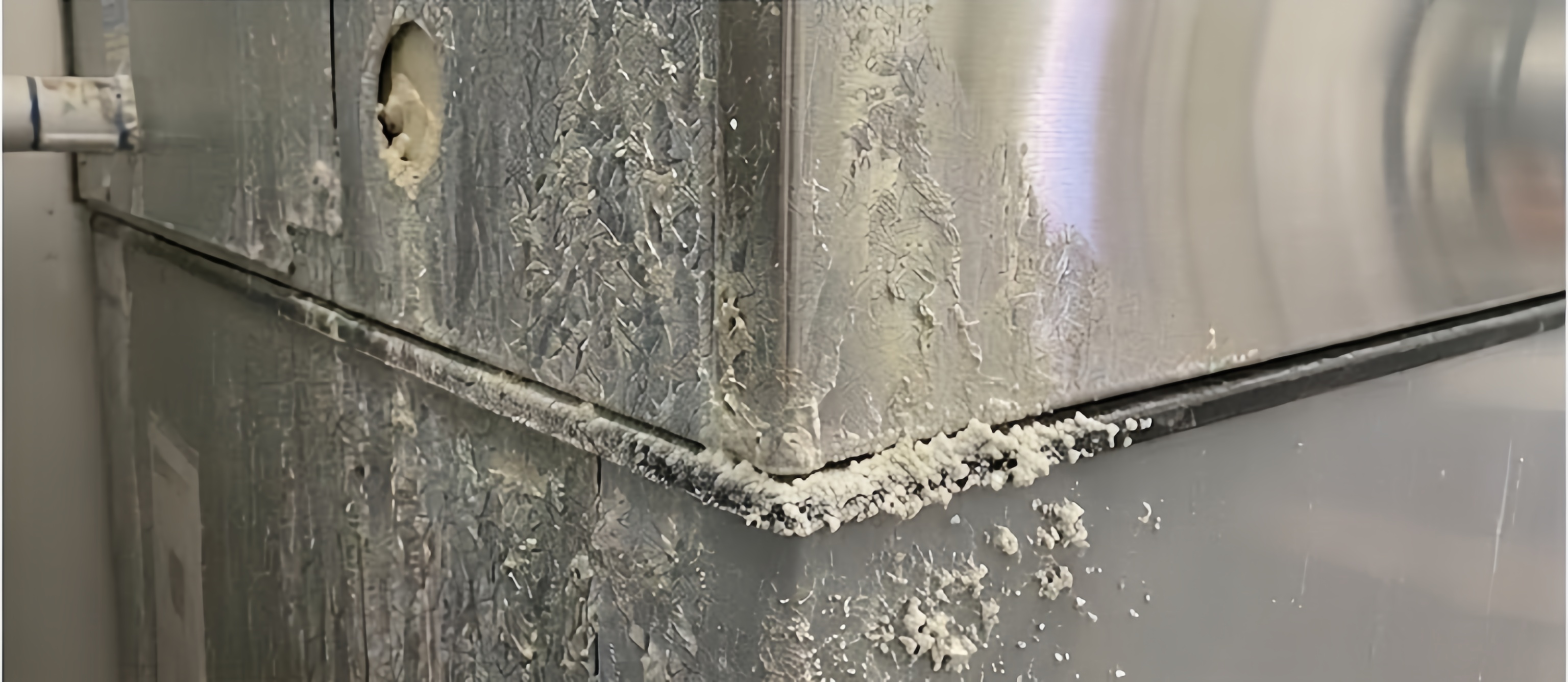
Your tea shop depends on equipment like steam boilers, hot water dispensers, ice machines, and espresso machines. These appliances operate continuously and are vulnerable to scale buildup caused by mineral deposits in hard water. Scale buildup can cause poor heating, higher energy use, and equipment failure. This can lead to costly repairs and downtime. Proper water filtration, especially systems incorporating anti-scale or reverse osmosis technology, can significantly reduce mineral content, prolong equipment lifespan, and maintain optimal operation.
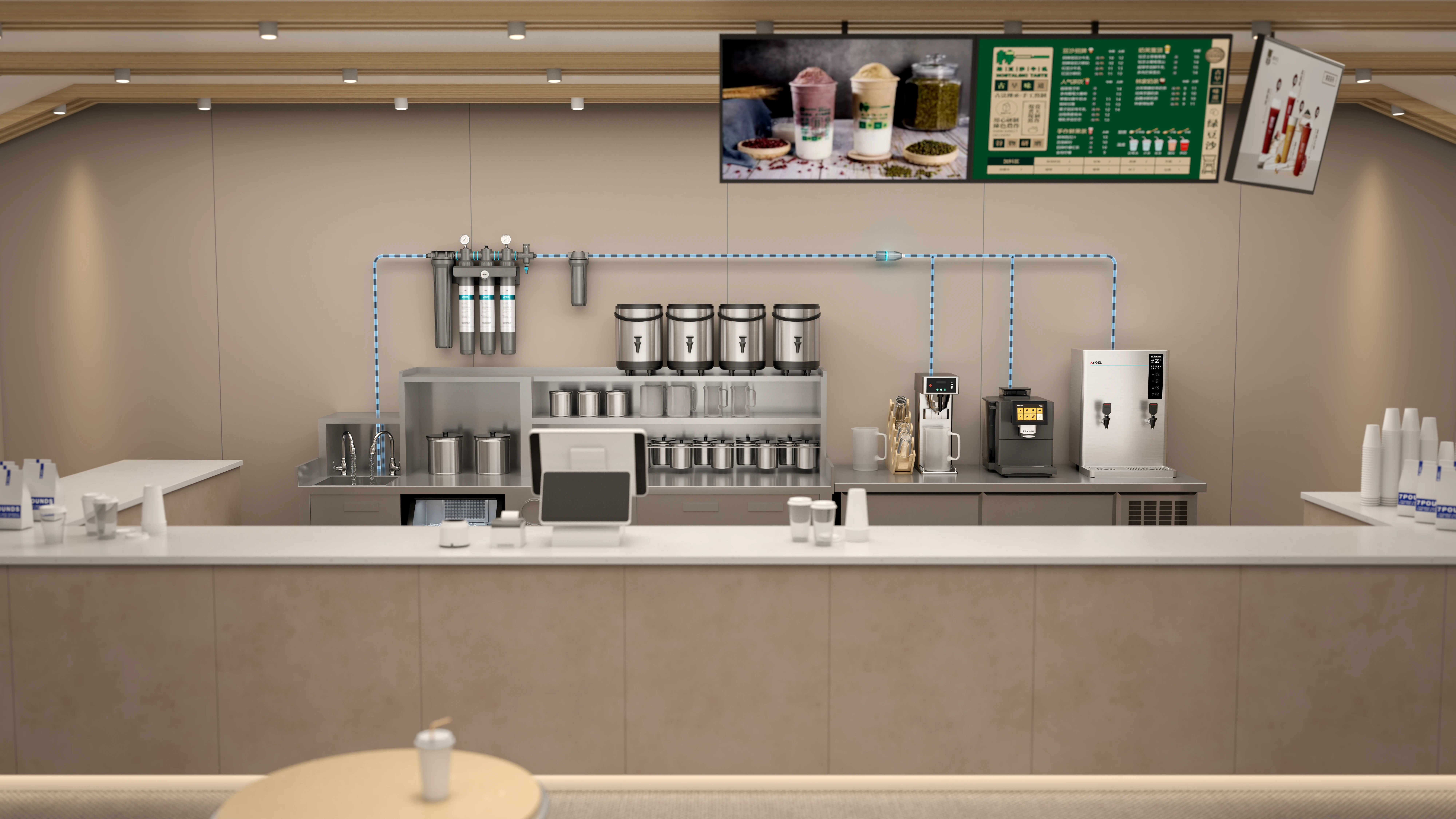
Key Requirements: What Does a Boba Tea Shop Need in a Water Filter?
Choosing the right water filtration system involves understanding your shop’s specific needs. Here are four critical factors to consider:
1. High Flow Rate & High Daily Capacity
During peak hours, like morning prep, weekends, or special promos, your shop must brew lots of tea fast. A good filtration system should have a high flow rate, measured in GPM (gallons per minute). It should also have enough capacity to handle constant demand. For example, a system with a large storage tank and fast filtration lets you brew multiple tea batches and make ice without delays. This helps maintain efficiency and customer satisfaction.
2. Chlorine & Odor Removal
Chlorine is commonly used in municipal drinking water but can adversely affect tea and coffee flavors. An effective water filter for a tea shop should use multi-stage activated carbon. It should remove chlorine, chloramine, and other volatile organic compounds (VOCs). This helps your brewed tea, bubble tea recipes, and coffee maker make fresh drinks with steady flavor. It also prevents odors and off tastes.
3. Scale Reduction / Hardness Control
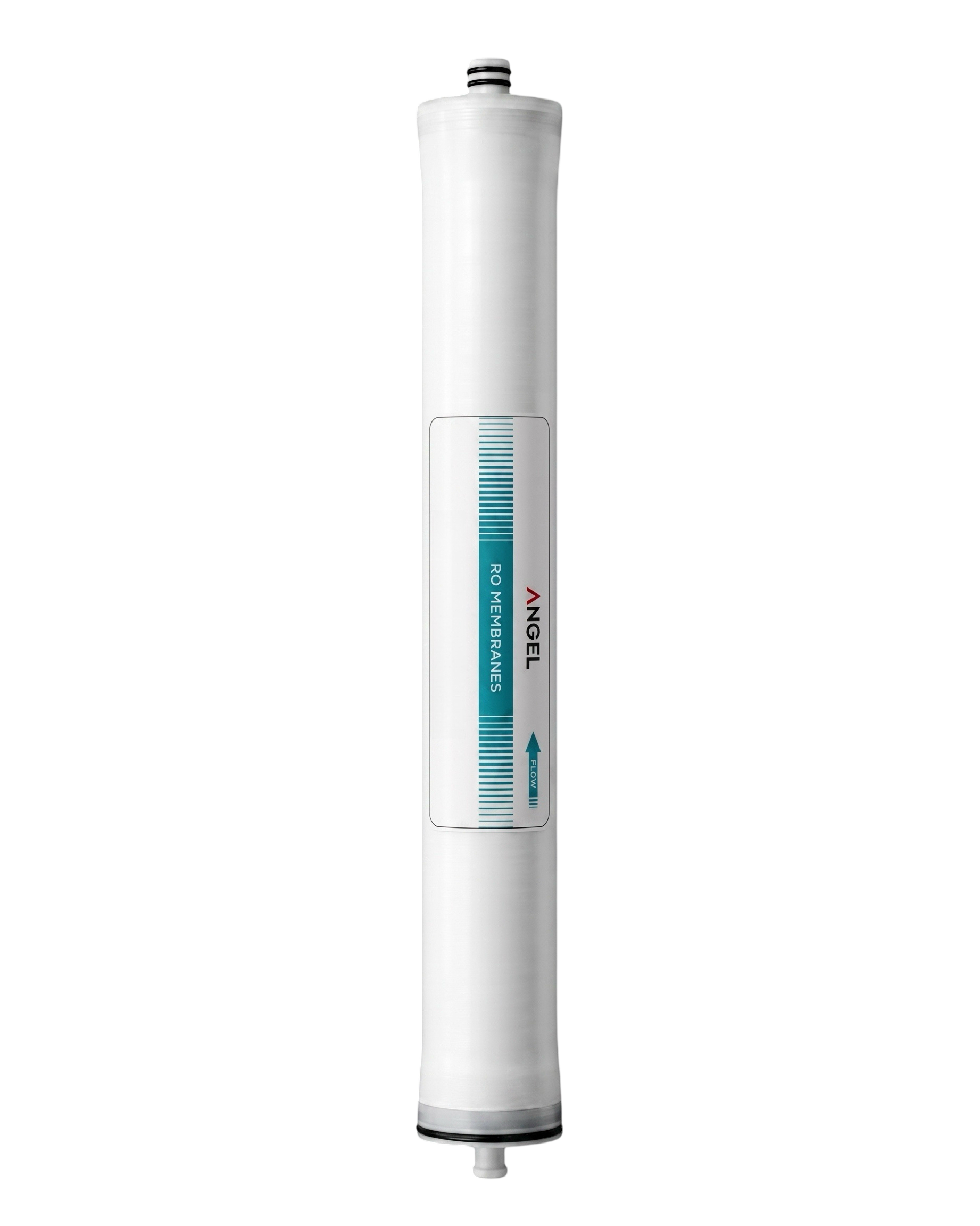
In regions with hard water, mineral deposits can cause serious issues in your brewing and ice-making equipment. Incorporating scale reduction features—such as anti-scale filters or reverse osmosis (RO)—can prevent mineral buildup. RO systems work well because they remove calcium and magnesium ions at the source. This helps your steam boiler, hot water dispenser, and ice cube machines run smoothly. It also helps them last longer.
4. Compact & Undercounter Design
Space is often limited in a busy tea shop. A compact, undercounter water filtration system allows seamless integration into your existing setup, saving countertop space. Wall-mounted or under-sink units help keep your workspace clean and organized. They also provide high-quality water for tea, bubble tea, and equipment cleaning.
RO System vs. Multi-Stage Filter: Which is Right for Your Shop?
Understanding the differences between common filtration options can help you make an informed decision:
| Feature | Multi-Stage Carbon System | Commercial Reverse Osmosis System with TDS Blended |
|---|
| Filtration Precision | Removes chlorine, odors, sediments (micro-micron level). | Removes 99% of dissolved salts, heavy metals, water hardness, and contaminants (0.0001 micron). Helps maintaining stable TDS. |
| Scale Prevention | Moderate; relies on anti-scale filters. | Very high; effectively prevents scale buildup by removing calcium and magnesium ions |
| Taste & Mineral Content | Retains beneficial minerals, suitable for soft water areas. | Produces ultra-pure water, ideal for highlighting tea and fruit flavors in water with TDS < 150 |
| Application | Suitable for regions with relatively soft water. | Essential for chains and high-hardness or poor-quality water areas, ensuring consistent brew quality |
For tea shops that want the purest water and clear flavor, especially in hard water areas, commercial RO systems are best. They provide the purest water, ensuring your brew method consistently produces the best tea flavors and prevents equipment issues.
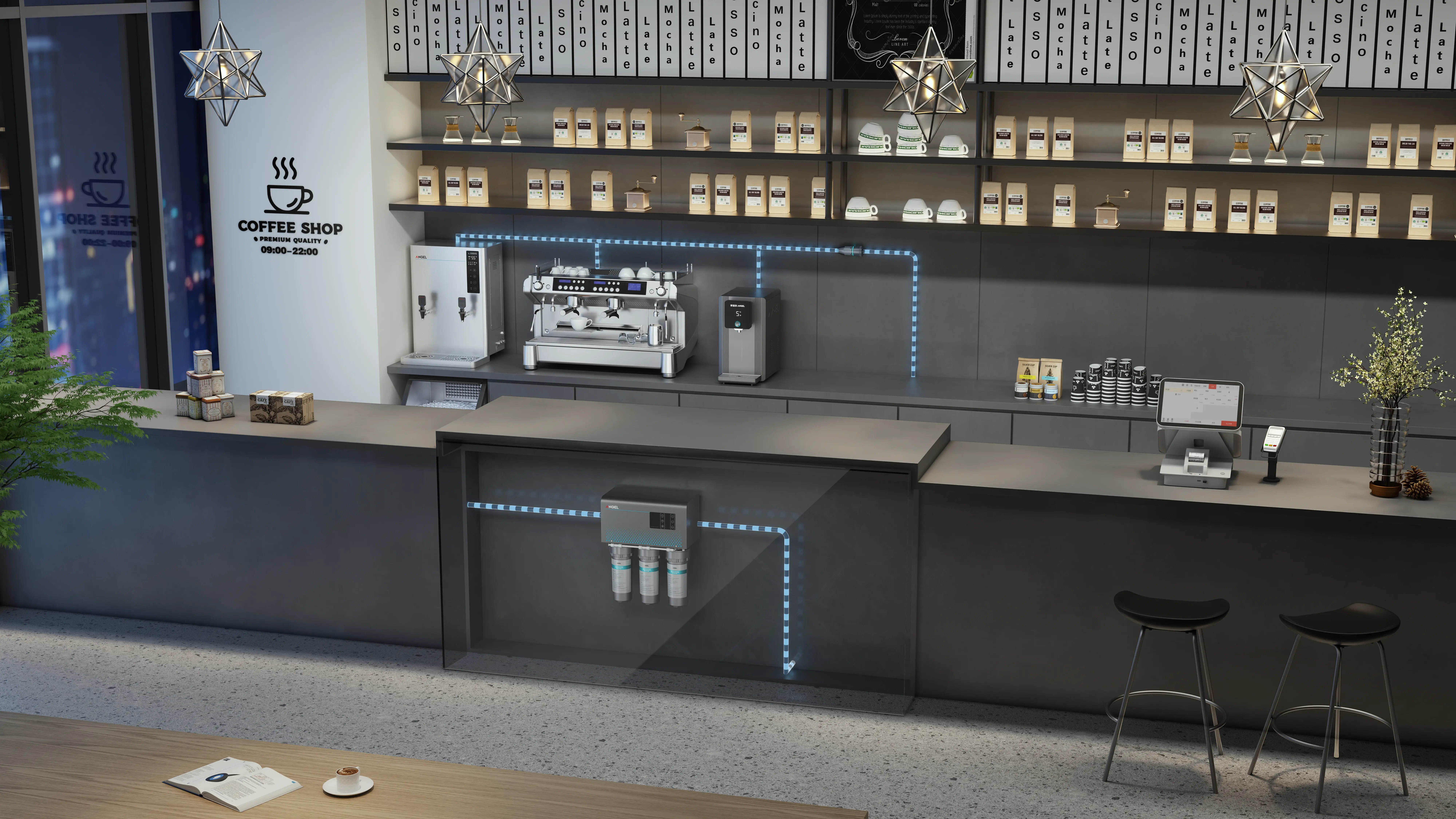
ANGEL Commercial Water Solutions for Boba Tea Chains
Why Choose ANGEL?
As a trusted provider of commercial water filtration systems, ANGEL offers custom solutions. These solutions are designed for boba tea shops and chains. Our products are engineered to meet the demanding needs of high-volume beverage operations.
Key Product Features:
High-Output Commercial RO Systems: Deliver steady, high volumes of purified water. They are ideal for peak tea brewing and ice production.
Quick-Change Cartridge Technology: Modular filter cartridges let your staff replace filters in under a minute. No tools are needed. This cuts downtime and lowers maintenance costs.
Customized Solution Architecture: From pre-filtration to post-treatment, ANGEL delivers complete water treatment solutions. These solutions can be tailored for single shops or large chains. This ensures optimal water quality across all locations.
Why Trust ANGEL?
Our filtration systems are designed to protect your equipment, improve beverage quality, and reduce operational costs. Whether you need to brew tea or coffee, make ice cubes, or ensure clean hot water, ANGEL’s solutions meet your needs.
Frequently Asked Questions (FAQ)
Q1: Can bad water quality ruin the tea recipe?
A: Absolutely. Chlorine and minerals in tap water can bind to tea polyphenols. This can make tea taste bitter and dull. It can also cause uneven results between brews. Using a proper water filter ensures your tea flavors are vibrant and true to your bubble tea recipe.
Q2: Why does my boba shop ice machine keep breaking down?
A: Scale buildup from minerals like calcium and magnesium is the primary culprit. Deposits clog water lines and freeze plates, causing equipment failure. Regular descaling or upgrading to a reverse osmosis filtration system can prevent this issue.
Q3: How many gallons of water does a busy boba shop use per day?
A: On average, a shop consumes between 500 - 600+ gallons daily for brewing tea, making ice, rinsing, and drinking water. Proper filtration ensures this water is clean, safe, and equipment-friendly.
🚀 Optimize Your Boba Shop's Water Quality Today!
Ensuring your water quality is the foundation of excellent bubble tea and efficient operations. Protect your equipment, enhance your tea flavors, and delight your customers with high-quality water filtration solutions from ANGEL. Contact us today for a tailored quote and elevate your boba tea shop to the next level!
👉 Get a Tailored Boba Shop Water Solution
 United States
 Thailand
 Indonesia